
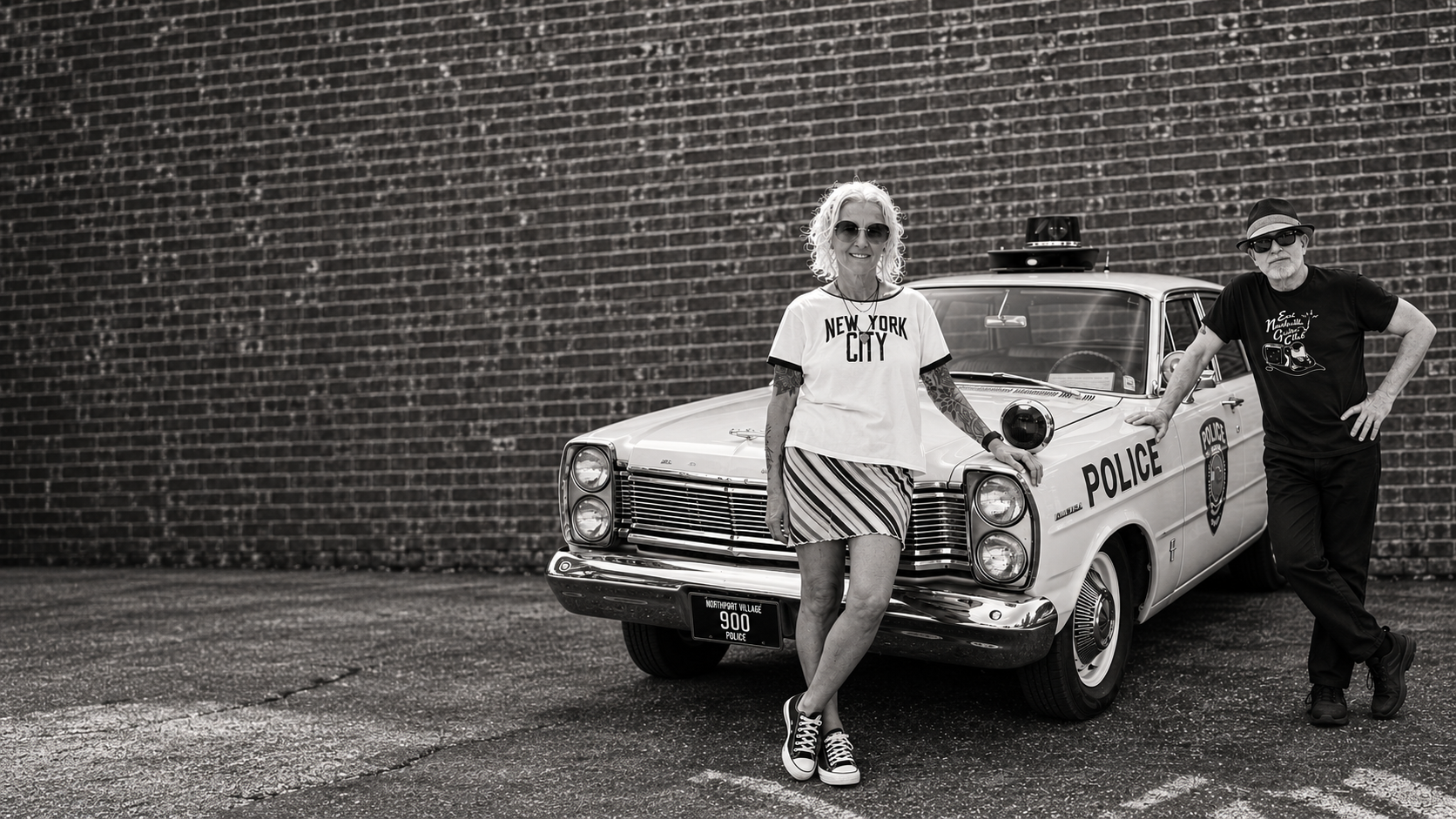
Meet The Stray Tones
Two longtime friends, a couple of guitars, and a whole lot of music.
Sherry Tauber and Deno Langel have known each other for more than 40 years. But becoming The Stray Tones? That part came much later.
So… how far back do you two actually go?
Sherry:
Deno and I have known each other for over 40 years. I knew him from the Huntington music scene. He was always playing in bands, and I was always going out and seeing live music.
We became really good friends over the years, and music was always somewhere in the background.
Deno:
I’ve known Sherry for many years. We always had that connection through music and friends.
And somehow a guitar changed everything?
Sherry:
Pretty much.
About 25 years ago, Deno was moving from New York to Boston to attend Berklee College of Music, and he gave me a guitar.
I promised myself I was going to learn how to play it—and I did.
I spent years taking lessons, learning and playing. Eventually, guitar became what I wanted to spend most of my free time doing.

“He gave me my first guitar, and I promised myself I would learn how to play it.”
-Sherry

When did you actually start playing together?
Deno:
About four or five years ago, we really reconnected musically.
Sherry was living in Montauk. I brought a guitar out there, we played a song together, and I remember saying, “You know, we could do some gigs together… if you didn’t live so far away.”
And she said, “I want that.” That was basically it.
Sherry:
After that, we just played. Every week. I would drive from Montauk toward Northport and we’d spend hours playing music—sometimes eight hours at a time.
Eventually, I moved to the Northport area. Now we live around the corner from each other and play together three to five days a week.
Eight hours at a time?
Sherry:
Oh yeah. We would just play music.
Deno:
They were music immersions. Seven, eight, nine hours sometimes.
At first, I was teaching her a lot. But she kept getting better and better. Eventually, we went from teacher and student to partners.
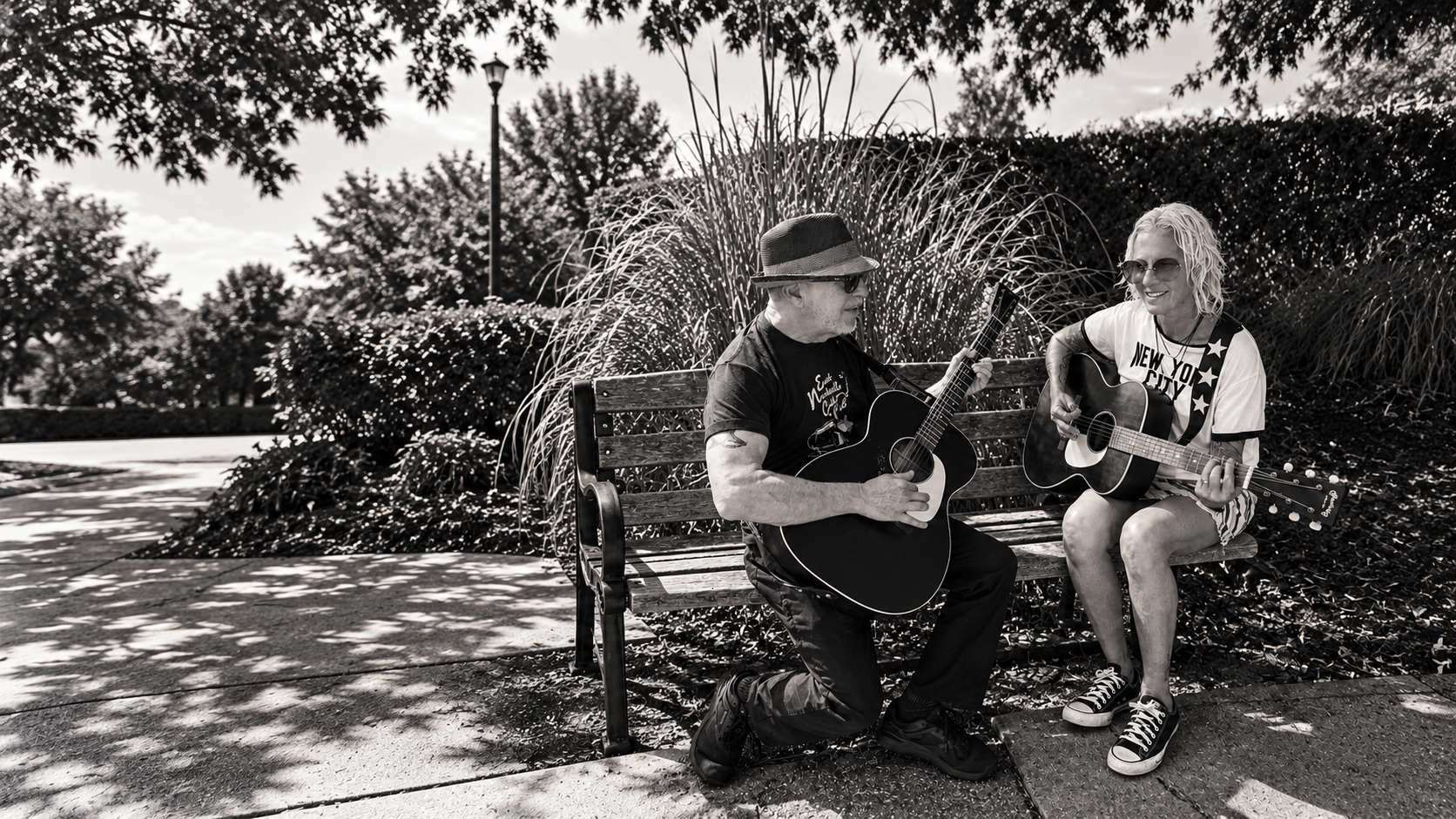
“We just played every single week for hours.”
— Sherry
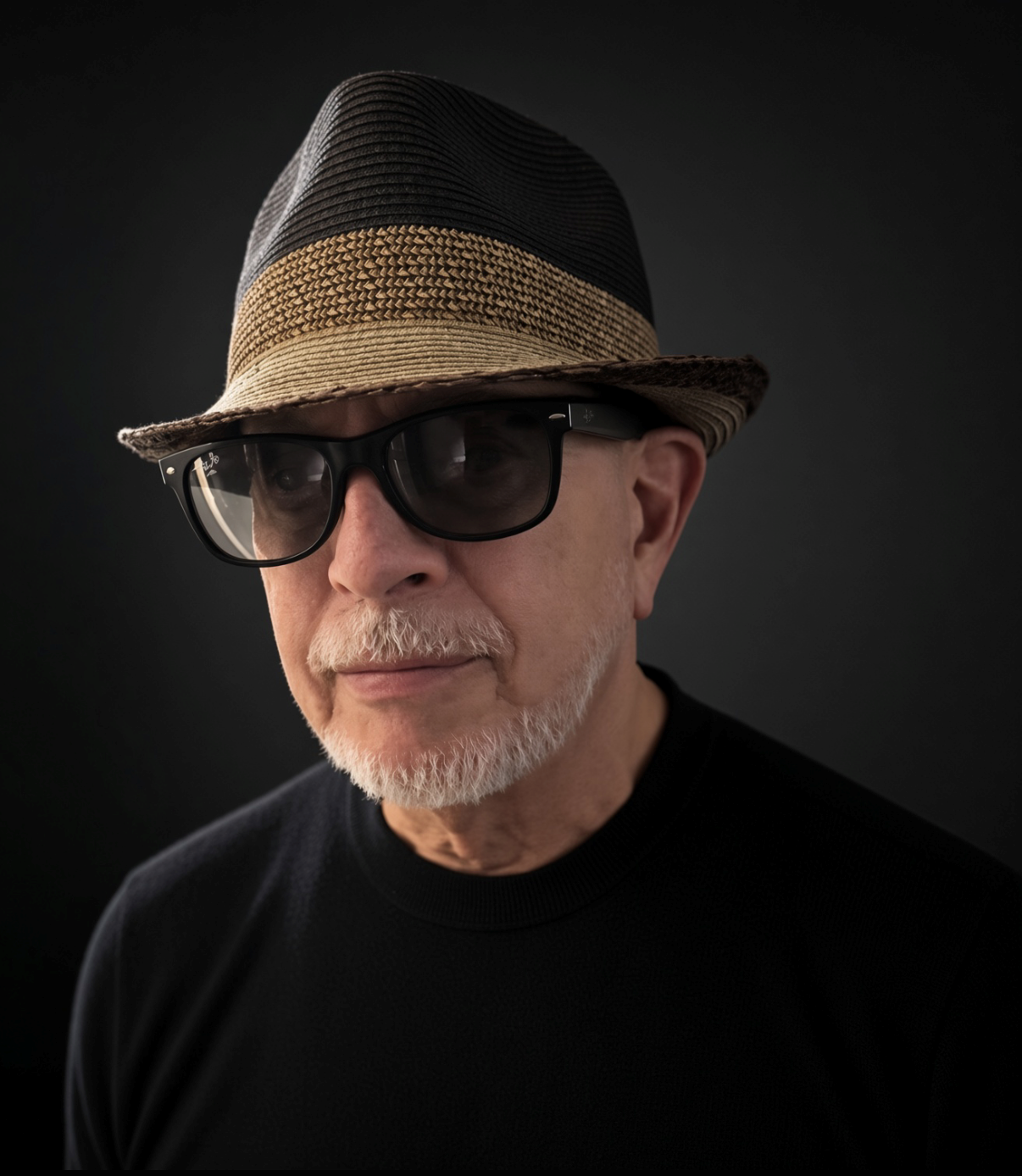
MEET DENO
Deno:
I was one of those guys watching The Beatles on The Ed Sullivan Show. I already had an interest in music, but that kind of clinched the deal.
I grew up in Brooklyn and moved to Long Island when I was around 13 or 14. I graduated high school here, went to Woodstock, and after that played in all kinds of local bands.
Music has really been something I’ve done consistently my whole life.
Where did your love of music start?
and eventually, Berklee?
Deno:
I was hosting an open mic and blues jam in Huntington every Sunday night. People would come in wanting to play jazz songs, and I realized there were things I wanted to understand better.
So I went to Berklee College of Music. I spent years playing in Boston, then came back to New York and played in Manhattan too.
But blues has always been the thing for me—especially Delta blues.
What do you bring to the Stray Tones?
I bring the roots. -Deno
Lead Guitar • Backing Vocals • Rhythm • Blues • Roots
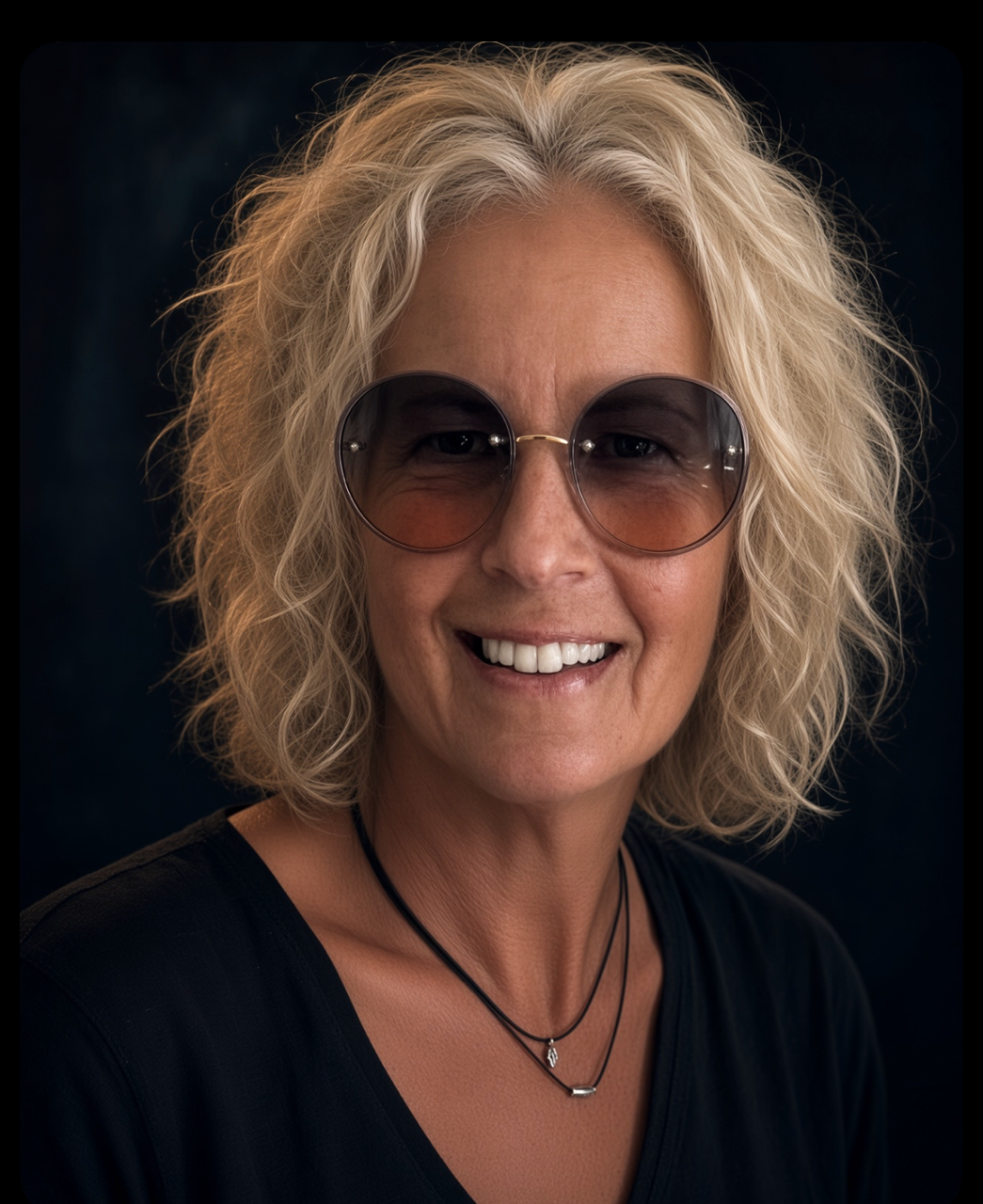
MEET SHERRY
Sherry:
Not really.
I played guitar a little when I was younger and then dropped it.
I didn’t come back to guitar seriously until I was well into adulthood.
Once I decided it was what I wanted to focus my free time on, I really stuck with it.
Were you always a musician?
What do you bring to the duo?
Sherry:
I do most of the lead vocals and hold down a lot of the rhythm.
Deno does a lot of the lead guitar and backup vocals.
We just have really good chemistry.
We like a lot of the same music, but we don’t come from exactly the same place musically.
He’s more rooted in old blues. I bring some of the more modern stuff.
And somehow it all works together.
Lead Vocals • Rhythm Guitar • Ukulele • Modern Influences
So, what does a Stray Tones set actually sound like?
Sherry:
It’s kind of all over the place in a good way. We love old blues. We love rock. We love country. But then we’ll do Amy Winehouse, Nirvana, Billy Strings, Nancy Sinatra, Hank Williams or The Stones. We cover a lot of genres and a lot of decades.
The important thing is that we don’t try to be the original artist. We take what they gave us and put our own flair into it.
Deno:
Sherry brings more of the modern music into what we do, and I bring the roots. We’ll play blues, folk, Irish music whatever works for us.
“We never try to be the artist. We take what the artist has given us and put our own flair into it.”
— Sherry
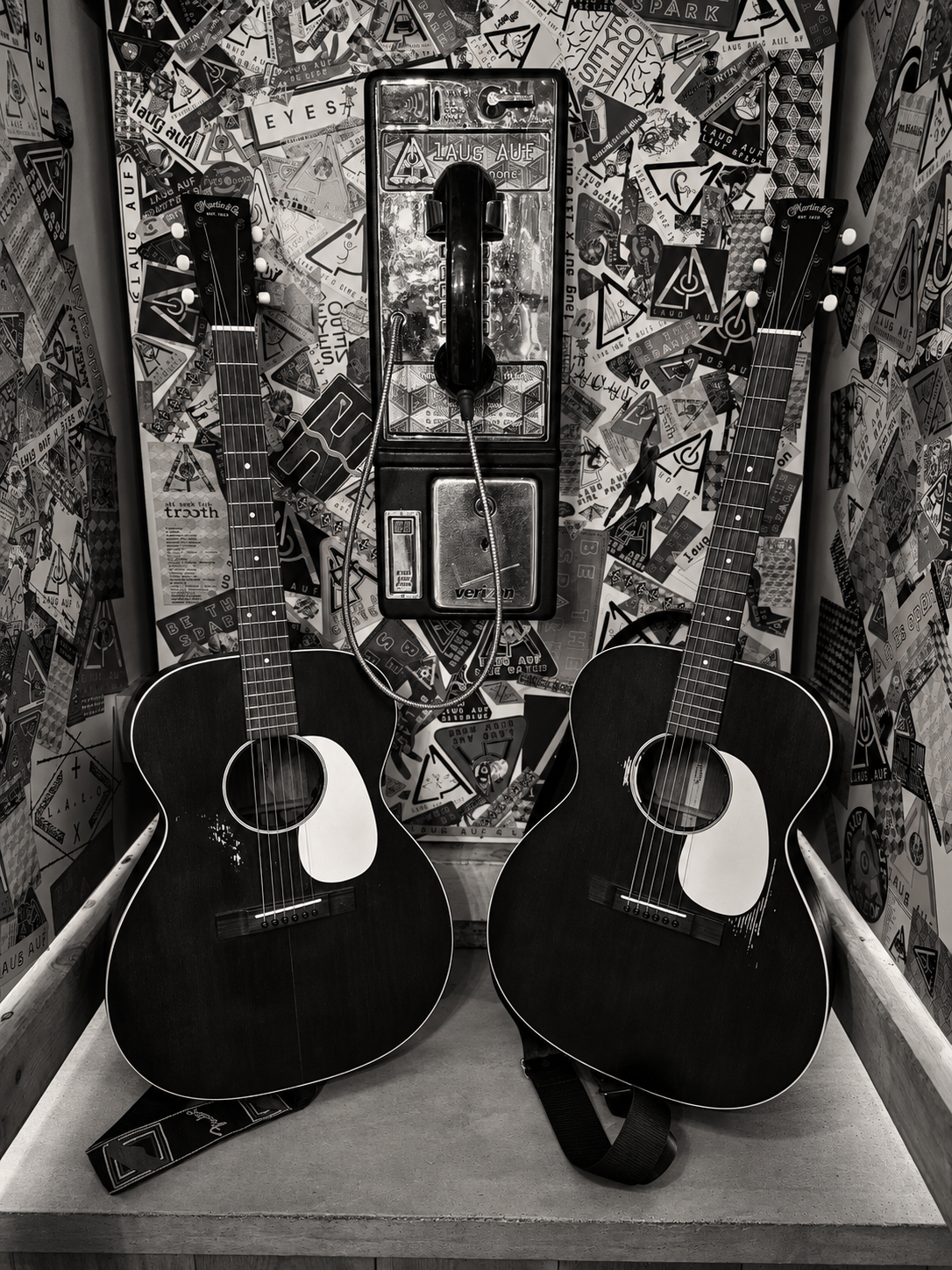
Where did “The Stray Tones” come from?
Sherry:
We actually had another name when we started. We wanted something with a little more edge, and eventually we came up with The Stray Tones.
It started making a lot of sense.
We’re “stray” because we don’t follow one genre. We’re not trying to recreate songs exactly, and we’re definitely not a tribute band.
We stray around, find songs from artists we love, and do them our way.
That’s The Stray Tones.
No one genre. No one decade. Just songs they love playing.

Where do you like to play?
Sherry:
We like places where people can enjoy the music—a Sunday brunch, restaurant, happy hour, farmers market or private party.
We’ve even played in parks around Huntington and Northport just because we wanted to play.
People walk by and stop. Sometimes they stay. We’ve even had people come over and sing with us.
That’s the fun part.
and you’re playing in New York and Florida?
Sherry:
Yes. We’re building more of a schedule around Huntington and Northport, and also in Delray Beach.
Delray has a really good music scene, and we’d love to keep getting ourselves into more restaurants and venues down there.
Deno:
We’ll be back in Florida for the season. I’m hoping we make it down to Key West too.

What Keeps You Doing It?
Honestly? They just really like playing music together.
They’ve spent decades as friends, years developing their individual musical styles, and now several days a week sitting down with guitars and figuring out what sounds good. There isn’t much more complicated to it than that.
TWO FRIENDS. TWO DIFFERENT MUSICAL BACKGROUNDS. ONE SHARED SOUND.
And a whole lot of songs still left to play.
HEAR THEM FOR YOURSELF
Words only tell part of the story.